
நாட்டுப் படலம் (41-45) Canto of the Country (41-45)
பல் வகைப் புகைகள் – Smoky skies
அகில் இடும் புகை, அட்டில் இடும் புகை,
நகல்இன் ஆலை நறும்புகை, நான்மறை
புகலும் வேள்வியில் பூம்புகையோடு அளாய்,
முகிலின் விம்மி, முயங்கின எங்கணும். 41
சொற்பொருள்: அட்டில் – சமையல். நகல் – கரும்பு. முயங்கின – பரவின; வியாபித்தன.
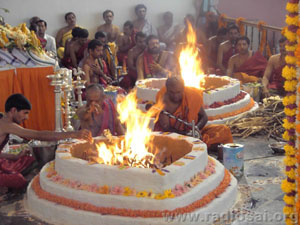 எல்லா வீடுகளிலும் அகில் கட்டைகளை எரிக்கும் புகையும், சமையல் செய்யும்போது விறகுகளை எரிக்கும் புகையும், கரும்பு ஆலைகளில் கருப்பஞ் சாற்றைக் காய்ச்சும்போது எழுகின்ற புகையும், நான்கு மறைகளையும் ஓதியபடி வளர்க்கும் ஓமங்களில் எழும் புகையும் அடர்த்தியாகப் பரந்து, சூழ்ந்து, மேகங்களைப் போல் படர்ந்து வானின் எல்லாப் பரப்பையும் கவித்தன.
அந்நாளில் ஆலைகளும்—குறிப்பாகக் கரும்பு ஆலைகளும்—எந்திரங்களும் இருந்ததற்கும், பயன்படுத்தப்பட்டதற்குமான முக்கியமான குறிப்பு. தொடர்ந்து வரும் படலங்களிலும் பாடல்களிலும் பல்வகை எந்திரங்களையும் பார்க்கலாம்.
Translation: The smoke rising from burning of agar-wood; smoke issuing from large domestic ovens using firewood; the smoke from yards that boil and distil juice of sugar-cane (for making jaggery), together with thick curls of smoke rising from homas performed at homes, with the chanting of Vedas, spread all around and stayed overcast in the skies, rivaling clouds.
Elucidation: One of the earliest references to machinery occurs in the form of sugar-cane crusher. ‘aalai’ or factory is commonly found to refer to such workshops for making cane sugar products.
மகளிரின் அங்கம் போன்ற இயற்கை எழில் – Feminine beauty enshrined in Nature.
இயல் புடைபெயர்வன, மயில்; மணி இழையின்
வெயில் புடைபெயர்வன; மிளிர் முலை; குழலின்
புயல் புடைபெயர்வன, பொழில்; அவர் விழியின்
கயல் புடைபெயர்வன, கடி கமழ் கழனி. 42
சொற்பொருள்: இயல் – தன்மை. புயல் – மேகம்.
மயில்கள் அந்நாட்டுப் பெண்டிரின் எழிலை ஒத்த சாயலுடன் உலவின. அவர்களுடைய மார்பில் அணிந்திருக்கும் மணிகளிலிருந்து சிந்தும் ஒளியைப் போல சூரியன் ஒளிர்ந்தது. அங்குள்ள சோலைகளில் தவழும் மேகங்கள், பெண்டிரின் கூந்தலைப் போல கருத்தும் அடர்ந்தும் திகழ்ந்தன. அவர்களுடைய விழிகள் சுழல்வதைப் போல அங்குள்ள கழனிகளில் மீன்கள் சுழன்று திரிந்தன.
உவமையாகச் சொல்லப்படும் பொருட்களை உபமேயமாக்குவது எதிர்நிலை அணி எனப்படும். மேகத்தைப் போன்ற கூந்தல் என்று சொல்லும் வழக்கத்துக்கு மாறாக, கூந்தலைப் போன்ற மேகம் என்று மாற்றிச் சொல்லும் முறை இது.
Translation: Peacocks moved about with the gait of the womenfolk of Kosala. The sun shone like the gems in the ornaments on their breasts. Clouds gliding over groves resembled the dark, thick tresses of women. And the fish in the farms swum about mimicking the movements of their fluttering eyes.
Elucidation: What we see here is a reversal of the usual ways of comparison. It is usual to compare thick, cascading hair to clouds. Instead, the poet chooses to allude the dark clouds to the long and thick tresses of women.
இடை இற, மகளிர்கள் எறிபுனல் மறுகக்
குடைபவர், துவர் இதழ் மலர்வன, குமுதம்;
மடை பெயர் அனம் என மட நடை, அளகக்
கடைசியர் முகம் என மலர்வன, கமலம். 43
சொற்பொருள்: குடைபவர் – நீராடுபவர். துவர் இதழ் – சிவந்த இதழ். அளகம் – கூந்தல். கடைசியர் – உழவுப் பெண்கள், உழத்தியர்.
அலைகளை எறிகின்ற (வீசுகின்ற) நீர்நிலைகளில், மெல்லிய இடை ஒடியுமோ எனும்படி நீராடும் பெண்களுடைய உதடுகளைப் போல செவ்வல்லி மலர்கள் சிவந்து மலர்ந்தன. மடைகளிலிருந்து எங்கிலும் திரியும் அன்னங்களைப் போன்ற நடையையும், அடர்ந்த கூந்தலையும் உடைய உழத்தியர்களுடைய முகங்களைப் போல் தாமரைகள் மலர்ந்தன.
Translation: The red-lilies bloomed like the ruddy lips of women whose slender waist that seemed to break (by the way they swayed). Lotuses blossomed as bright and as beautiful as the lustrous faces of farmland girls.
Elucidation:
ஒப்பிலா மகளிர் – Beauty beyond compare
விதியினை நகுவன, அயில்விழி; பிடியின்
கதியினை நகுவன, அவர் நடை; கமலப்
பொதியினை நகுவன, புணர் முலை, கலை வாழ்
மதியினை நகுவன, வனிதையர் வதனம். 44
சொற்பொருள்: விதி – இலக்கண விதிகள். அயில் – வேல். பிடி – பெண்யானை. பொதி – மொட்டு.
தமக்கு உவமையாக இலக்கண நூல்கள் கூறும் எந்தப் பொருளுமே (அழகில்) தம்மை ஒத்து இல்லாமையால், ஒப்புமை சொல்வதற்கான விதிகளைப் பெண்களின் வேல்போன்ற கூர்மையான கண்கள் பரிகசிக்கின்றன. அவர்கள் நடக்கு அழகோ, பெண் யானைகளின் நடையைப் பரிகசிக்கிறது. மார்புகள் வடிவத்தில் தம்மை ஒப்பாகாத தாமரை மொட்டுகளைப் பார்த்துச் சிரிக்கின்றன. வளர்வதும் தேய்வதுமான தன்மையைக் கொண்ட நிலவு, தமக்கு உவமையாகாத விதத்தை எண்ணிப் பெண்களின் முகங்கள் நிலவைப் பழிக்கின்றன.
Translation: The lance-sharp eyes of these girls mock all the known rules laid down in books of grammar that specify the objects of similes. Their gait laughs at the gait of she-elephants; breasts that of buds of lotus and faces laugh at the moon (that waxes and wanes, and therefore not comparable to the non-changing, ever glowing face),
Elucidation:
பகலினொடு இகலுவ, படர் மணி; மடவார்
நகிலினொடு இகலுவ, நளி வளர் இளநீர்;
துகிலினொடு இகலுவ, சுதை புரை நுரை; கார்
முகிலினொடு இகலுவ, கடிமண முரசம். 45
சொற்பொருள்: சுதை – வெண்மை
நாட்டில் எங்கிலும் இறைந்து கிடக்கும் மணிவகைகள் பகலி்ன் ஒளியோடு போட்டியிருடும். தென்னை இளநீரோ மாதர் மார்புடன் போட்டியிடும். பாலின் மேற்புறத்தில் படிகின்ற வெண்மையான நுரையோ, மகளிர் அணியும் வெண்பட்டை (மென்மையிலும், வண்ணத்திலும்) ஒத்திருக்கப் போட்டியிடும். கருமேகங்கள் எழுப்பும் இடிக்குரல்களோ, மணநாளில் ஒலிக்கும் மேளங்களின் ஒலியோடு போட்டியிடும்.

Translation: Gems that lay scattered rival the light of sun; tender coconuts rival the shapes of breasts; foam of milk, forming at the brim of vessels, rival (white) silk sarees (in feel and colour) and the thunder of clapping clouds rival the beats of drums on nuptials.
Elucidation:–

கம்பன் கழகம் நடத்தும் விழா நிகழ்ச்சிகளை பல ஆண்டுகளுக்கு முன்பு பொதிகையில் பார்த்ததுண்டு. ஆனால் கம்பன் அருகில் செல்ல நமக்கு அருகதை இல்லை என்று ஒதுங்கிவிட்டேன்.ஆனால் இப்போதோ ஒவ்வொரு பாடலுக்கும்தாங்கள் தரும் விளக்கம் எளிமையாக புரியும்படி இருக்கிறது. வாழ்க்கையில் பெரும்பகுதி பிறருக்காக உழைத்தும், கவலைகளில் மூழ்கியும்,வீண் விதண்டாவாதங்களில் நேரத்தை வீனடித்தும்,பொய்களையே அள்ளி அள்ளி தருகின்ற,செய்தி தாள்களிலும், தொலை காட்சி தொடர்களிலும் நோய்களினால் துன்பப்பட்டும், மீதி நேரங்களில் தூங்கி தூங்கியே ஒழித்தும்,வாழ்நாளின் பெரும்பகுதி கழிந்துவிட்டது.
கம்பனிடமிருந்தும், பல சித்தர்பாடல்களிடமிருந்தும்தான் கண்ணதாசன் கருத்துக்களை அவன் பாடலில் கையாண்டது வந்தது அசல் நூல்களை படித்த போது தெரியவந்தது.
உங்களின் எழுத்துக்கள் பள்ளிகளில் முழு நேர பாடமாக வைக்கப்பட்டால் மாணவர்களுக்கு தமிழ் மீது நிச்சயம் ஈர்ர்பு ஏற்ப்படும். ஆனால் யார் அதை செய்வது?
இன்னும் கவைக்குதவாத, வாழ்க்கைக்கு தேவையற்ற குப்பைகளையே அனைத்து மாணவர்களையும் படிக்க செய்யும் இந்த கல்வி முறை என்று ஒழியும்?
படிப்பது பணம் சம்பாதிக்க.
பணம் சம்பாதித்து சுக போகங்களை அனுபவிக்க
அவ்வளவுதான். தற்போதைய சமுதாயத்தின் குறிக்கோள்.
எதோ சிறிது சுவைத்தாலும் அதன் சுவை நினைவில் நிற்ப்பதுபோல் அவை என் நெஞ்சில் நின்று மணம் பரப்பும்.
எங்களுக்கு தெரிந்த கம்பன் பாடல்.’நன்மையும் செல்வமும் நாளும் நல்குமே’அதில் குறிப்பிட்டுள்ள குணங்களை கொண்ட தலைவனின் பாதங்களில் சரணடைந்துவிட்டேன். அதை மீறி நான் எதிலும் நாட்டம் கொள்வதில்லை. ஆனால் உங்கள் எழுத்துக்கள் என் கவனத்தை ஈர்த்துள்ளது என்றால் மிகையாகாது.
தமிழார்வம் உள்ளவர்கள் உங்கள் விளக்கங்களை படித்தால் நிச்சயம் தெளிவு பெறுவார்கள்.
அன்புள்ள ஹரி
கம்பனின் கற்பனைத் திறத்தால் தமிழின் சுவையை அநுபவிக்க முடிகிறது.உங்களது விளக்கம் மிக அருமை. கமப நயத்தை என்னால் முழுமையாக ரசிக்க முடிகிறது.மிக்க நன்றி நண்பரே.
என்னால் கம்ப நயத்தை ரசிக்க முடிகிறது .உங்களுக்கு என் மனமார்ந்த நன்றி.
On usage of the VEL losts its sharpness etc. but the eyes are lasting as it were ever. The pace of the elepant will be similar ever. The pace of women may vary which will be beautiful. The lotus will fade and dry away, but the breast of women will look pleasant ever. The moon also has times as off moon and full moon, but the face of women are not dimiishing ever. The narration may be modified suitably indicating the difference by the readers may get clear picture of the stanza. Thank you.
நான் கல்லூரியில் படிக்கும் போது என்னுடைய தமிழ் ஆசான்கள் மிக அழகாக தமிழை கற்றுக் கொடுத்தார்கள். எனக்கு தற்போது வயது 60 . இவ்வளவு ஆண்டுகளுக்குப் பிறகு மீண்டும் தமிழை தங்கள் மூலமாக சுவைக்கிறேன். மிக்க நன்றி. புதிய புதிய தமிழ் சொற்களை நான் இப்போது கற்று வருகிறேன். இவ்வளவு நாட்கள் தமிழ் கற்காமல் பொழுது போக்கியதற்காக வெட்கப் படுகிறேன். வேதனைப் படுகிறேன். உறங்கும் என்னை உசுப்பியதற்கு மிக்க நன்றி. தங்கள் பல்லாண்டு வாழ்ந்து தமிழை மலர வைக்க வேண்டும்.
ம. ச. அமர்நாத்